Placemaking in 2026: Why Community Co-Design Is No Longer Optional
As 2026 begins, there is a growing sense that placemaking in the UK is at a crossroads.
The pressures are obvious. Public services are stretched thin. Inequality is deeply entrenched. Too many strategies look impressive on paper yet fail to change how places actually feel or function for the people living there. What’s less often acknowledged is why this keeps happening: decisions are still too frequently made for communities rather than with them.
That’s the problem. And it’s also an opportunity.
Across health, regeneration, neighbourhood governance, social value, and devolution agendas, national and local policy is increasingly clear about the direction of travel. Place-based, preventative, and participatory approaches are no longer fringe ideas. They are now explicitly encouraged — even expected. Yet in practice, community engagement is still often reduced to consultation, validation, or communications rather than genuine co-design and co-development.
Placemaking, when done well, is not just about buildings, infrastructure, or capital projects. It is about social infrastructure: relationships, trust, shared understanding, and people’s ability to influence the conditions of their own lives. When those things are weak, even a significant investment struggles to land; when they are strong, change becomes cumulative and self-reinforcing.
The real promise of co-design lies here.
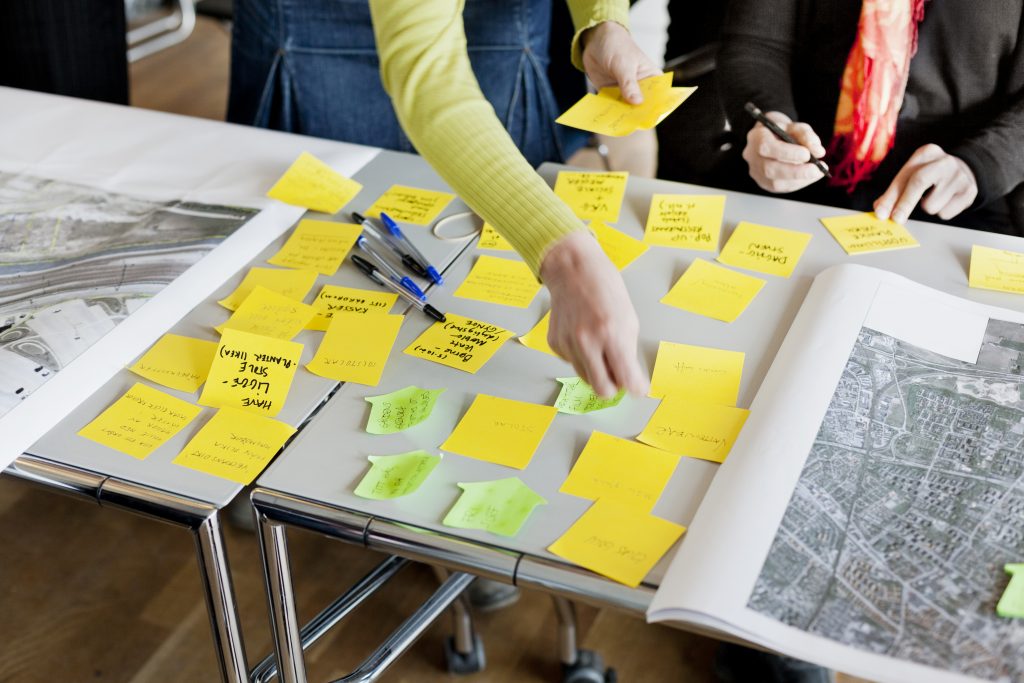
When residents, community organisations, schools, health partners, councils, and anchor institutions are involved early — before solutions are defined — different questions get asked. Lived experience sits alongside data. Problems are framed in ways that reflect reality, not organisational boundaries. And solutions are more likely to be grounded, preventative, and sustainable.
This isn’t romanticism. It’s practical.
What often blocks this way of working is not a lack of goodwill. It’s fragmentation. Insight sits in silos. Activity is poorly connected. Community knowledge is treated as anecdotal rather than strategic. Professionals are under time pressure, and systems default to what feels quicker and safer — even when those approaches repeatedly underperform.
Better community engagement challenges that default. It requires slowing down at the start, sharing power earlier than is comfortable, and accepting that outcomes can’t always be fully specified in advance. That makes some institutions nervous. But the alternative — designing in isolation and retrofitting engagement later — has a long track record of limited impact.
As we move into 2026, there is a genuine chance to shift this pattern.
Many places are already experimenting with neighbourhood-level working, asset-based approaches, and prevention-focused investment. The next step is to treat community insight as core infrastructure, not an add-on. To see co-design not as a risk but as a way to reduce long-term failure. And to recognise that social value is often created between organisations and people, not neatly within a single programme or contract.
If this year becomes one where co-design is a standard practice rather than an exception, where local strategies are shaped by those who live the consequences of decisions, and where placemaking is understood as a social process as much as a physical one, then progress is entirely possible.
The tools, policies, and intent are already there. What’s needed now is the confidence to use them properly.
2026 could be the year placemaking stops talking about communities — and starts building with them.